Uterine Fibroids: A Patient’s Journey to Diagnosis and Treatment

Uterine Fibroids
Uterine fibroids, also called 'Myomas', are non-cancerous growths that develop in the muscles of the uterus, affecting many women during their reproductive...

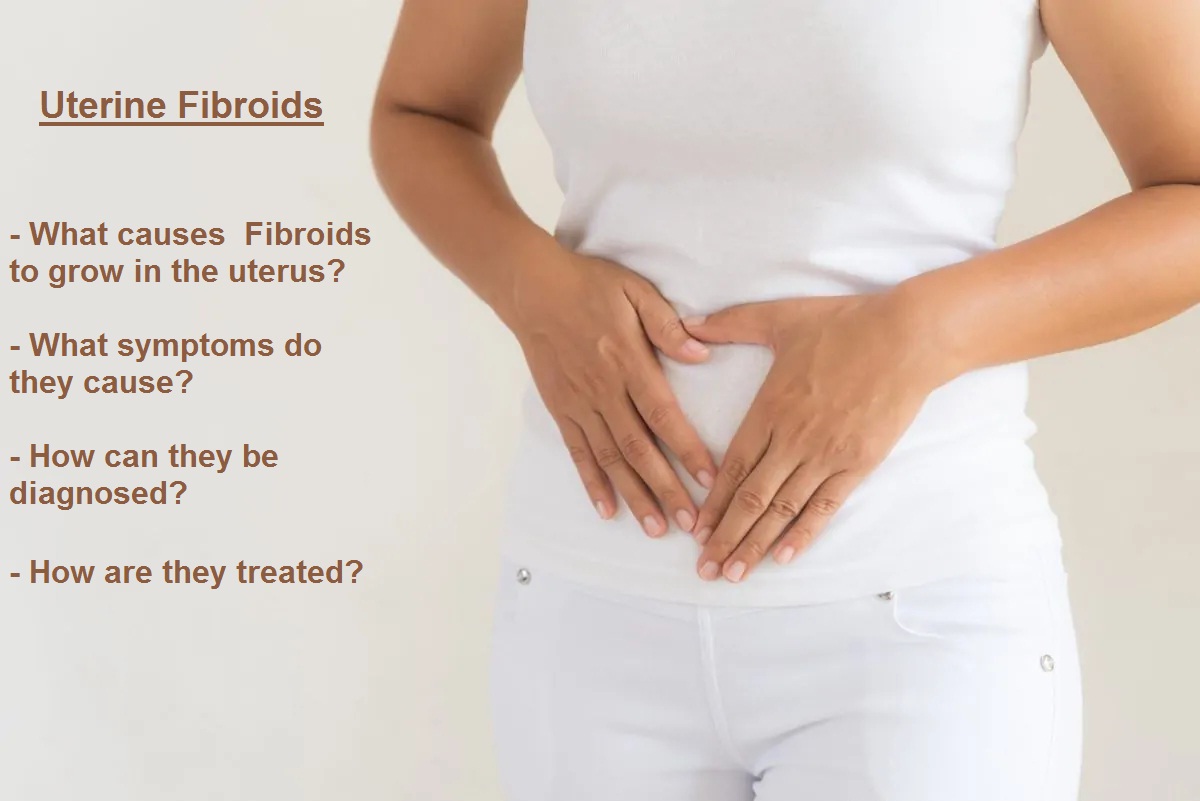
Uterine fibroids, also called ‘Myomas’,  are non-cancerous growths that develop in the muscles of the uterus, affecting many women during their reproductive years.

Recently, I had the opportunity to consult with Jane, a 45-year-old woman experiencing symptoms typical of this condition. Her case highlights the importance of seeking medical attention when experiencing menstrual irregularities. It also describes how the fibroids were diagnosed and treated.

Symptoms and Initial Examination

Jane came to see me with complaints of heavy menstrual bleeding over the past year. The bleeding was heavy enough to need at least 5 changes of vaginal pads in a day.

She also reported irregular periods, sometimes occurring as frequently as every 10 days, accompanied by severe pain.

Ocassionally, she had difficulty in passing urine, especially if the bladder was too full. She  also suffered from frequent urinary tract infections.

Examination

On examination, Jane appeared weak and pale, suggesting possible anemia due to excessive blood loss.

A physical examination revealed that she had a lump in the lower abdomen comparable in size to a 16-week pregnancy. The lump was firm  with a smooth surface. it was painless.  This made me suspect that she had a uterine fibroid and this was causing her symptoms.

The pelvic examination showed a bulky, large uterus with an irregular shape, firm to the touch but painless. I was convinced that she had a fibroid.  So, I ordered an ultrasound scan to confirm or rule out a  fibroid.

Diagnostic Procedures

An ultrasound is a non-invasive imaging technique which is commonly used to visualize the uterus and identify any abnormalities. In this case, the ultrasound result revealed multiple fibroids in Jane’s uterus, with the largest measuring approximately 7 cm in diameter. The multiple fibroids were causing the uterus to be enlarged  and to cause pain and  heavy bleeding during her periods.  They were also possibly causing the irregular periods.

I ordered more tests  to identify if there were other causes for the irregular periods – thyroid hormone  tests, prolactin test and a Complete blood analysis (CBC). These came back  normal. But her haemoglobin levels were low at 10gm%.
doctor questions


Treatment Options 

Fibroids can be treated by a surgery called Myomectomy, in which only the fibroids are removed, leaving the uterus intact. Or treatment can be by a hysterectomy  which included removing the uterus as well could be done.

Medicines are also available to help shrink the fibroids but the fibroids tend to enlarge again after the medicines are stopped. Since Jane had quite heavy bleeding, medical treatment was not a good option for her.

Since Jane did not plan to have any more children and given the size and number of fibroids, as well as the severity of Jane’s symptoms, I advised that a hysterectomy would be the most effective treatment option.  In Jane’s case, medicines were unlikely to adequately reduce the size of the tumors.

After discussing the pros and cons of the procedure, Jane agreed to undergo a hysterectomy. This decision was based on her desire for long-term symptom relief and the impact her condition was having on her quality of life.

Before proceeding with the hysterectomy, we conducted a series of blood tests and other necessary investigations to ensure Jane was fit for surgery. These pre-operative assessments are crucial for minimizing risks and optimizing outcomes.

The hysterectomy was carried out smoothly without any complication and Jane had an uneventful recovery.

Conclusion

Jane’s case illustrates the importance of seeking medical attention for menstrual irregularities and pelvic pain. Uterine fibroids, while common, can significantly impact a woman’s quality of life when they cause severe symptoms. With proper diagnosis and treatment, women like Jane can find relief and improve their overall well-being.

If you’re experiencing similar symptoms or have concerns about your menstrual health, don’t hesitate to consult with your healthcare provider. Early detection and treatment of uterine fibroids can make a significant difference in managing this condition effectively.

Find Out If It’s Time to See a Gynecologist.

Get the Essential Women’s Health Checklist

Share:

Dr.Madhumita Das Mazumdar, MD (O&G) is a Senior Consultant Gynecologist of Guwahati, Assam, India.

She has more than 30 years experience as a private practitioner in Obstetrics and Gynecology.

Consult her online – shw will be happy to help you with your questions.

Click here to ask your question


Periods & Pain
Dr Madhumita Das Mazumdar

The Menstrual Period

Your menstrual cycle is an important part of your reproductive health. While most women have a predictable monthly rhythm, it’s also extremely common to have

Read More »
Preventive Care & Vaccines
Dr Madhumita Das Mazumdar

Obstetric and Gynecological Surgeries

Gynecology has advanced tremendously over the years, offering women safer, gentler, and more precise surgical options. Whether performed for childbirth, pain relief, or reproductive health,

Read More »
Periods & Pain
Dr Madhumita Das Mazumdar

Menstrual Period Problems

Menstrual periods can be complicated by problems like pain, irregular periods, heavy bleeding or very litlle blood flow. Midcycle bleeding is another common issue.

Read More »

Uterine fibroids, also called ‘Myomas’,  are non-cancerous growths that develop in the muscles of the uterus, affecting many women during their reproductive years.

Recently, I had the opportunity to consult with Jane, a 45-year-old woman experiencing symptoms typical of this condition. Her case highlights the importance of seeking medical attention when experiencing menstrual irregularities. It also describes how the fibroids were diagnosed and treated.

Symptoms and Initial Examination

Jane came to see me with complaints of heavy menstrual bleeding over the past year. The bleeding was heavy enough to need at least 5 changes of vaginal pads in a day.

She also reported irregular periods, sometimes occurring as frequently as every 10 days, accompanied by severe pain.

Ocassionally, she had difficulty in passing urine, especially if the bladder was too full. She  also suffered from frequent urinary tract infections.

Examination

On examination, Jane appeared weak and pale, suggesting possible anemia due to excessive blood loss.

A physical examination revealed that she had a lump in the lower abdomen comparable in size to a 16-week pregnancy. The lump was firm  with a smooth surface. it was painless.  This made me suspect that she had a uterine fibroid and this was causing her symptoms.

The pelvic examination showed a bulky, large uterus with an irregular shape, firm to the touch but painless. I was convinced that she had a fibroid.  So, I ordered an ultrasound scan to confirm or rule out a  fibroid.

Diagnostic Procedures

An ultrasound is a non-invasive imaging technique which is commonly used to visualize the uterus and identify any abnormalities. In this case, the ultrasound result revealed multiple fibroids in Jane’s uterus, with the largest measuring approximately 7 cm in diameter. The multiple fibroids were causing the uterus to be enlarged  and to cause pain and  heavy bleeding during her periods.  They were also possibly causing the irregular periods.

I ordered more tests  to identify if there were other causes for the irregular periods – thyroid hormone  tests, prolactin test and a Complete blood analysis (CBC). These came back  normal. But her haemoglobin levels were low at 10gm%.

doctor questions


Treatment Options 

Fibroids can be treated by a surgery called Myomectomy, in which only the fibroids are removed, leaving the uterus intact. Or treatment can be by a hysterectomy  which included removing the uterus as well could be done.

Medicines are also available to help shrink the fibroids but the fibroids tend to enlarge again after the medicines are stopped. Since Jane had quite heavy bleeding, medical treatment was not a good option for her.

Since Jane did not plan to have any more children and given the size and number of fibroids, as well as the severity of Jane’s symptoms, I advised that a hysterectomy would be the most effective treatment option.  In Jane’s case, medicines were unlikely to adequately reduce the size of the tumors.

After discussing the pros and cons of the procedure, Jane agreed to undergo a hysterectomy. This decision was based on her desire for long-term symptom relief and the impact her condition was having on her quality of life.

Before proceeding with the hysterectomy, we conducted a series of blood tests and other necessary investigations to ensure Jane was fit for surgery. These pre-operative assessments are crucial for minimizing risks and optimizing outcomes.

The hysterectomy was carried out smoothly without any complication and Jane had an uneventful recovery.

Conclusion

Jane’s case illustrates the importance of seeking medical attention for menstrual irregularities and pelvic pain. Uterine fibroids, while common, can significantly impact a woman’s quality of life when they cause severe symptoms. With proper diagnosis and treatment, women like Jane can find relief and improve their overall well-being.

If you’re experiencing similar symptoms or have concerns about your menstrual health, don’t hesitate to consult with your healthcare provider. Early detection and treatment of uterine fibroids can make a significant difference in managing this condition effectively.
Uterine fibroids, also called ‘Myomas’,  are non-cancerous growths that develop in the muscles of the uterus, affecting many women during their reproductive years.

Recently, I had the opportunity to consult with Jane, a 45-year-old woman experiencing symptoms typical of this condition. Her case highlights the importance of seeking medical attention when experiencing menstrual irregularities. It also describes how the fibroids were diagnosed and treated.

Symptoms and Initial Examination

Jane came to see me with complaints of heavy menstrual bleeding over the past year. The bleeding was heavy enough to need at least 5 changes of vaginal pads in a day.

She also reported irregular periods, sometimes occurring as frequently as every 10 days, accompanied by severe pain.

Ocassionally, she had difficulty in passing urine, especially if the bladder was too full. She  also suffered from frequent urinary tract infections.

Examination

On examination, Jane appeared weak and pale, suggesting possible anemia due to excessive blood loss.

A physical examination revealed that she had a lump in the lower abdomen comparable in size to a 16-week pregnancy. The lump was firm  with a smooth surface. it was painless.  This made me suspect that she had a uterine fibroid and this was causing her symptoms.

The pelvic examination showed a bulky, large uterus with an irregular shape, firm to the touch but painless. I was convinced that she had a fibroid.  So, I ordered an ultrasound scan to confirm or rule out a  fibroid.

Diagnostic Procedures

An ultrasound is a non-invasive imaging technique which is commonly used to visualize the uterus and identify any abnormalities. In this case, the ultrasound result revealed multiple fibroids in Jane’s uterus, with the largest measuring approximately 7 cm in diameter. The multiple fibroids were causing the uterus to be enlarged  and to cause pain and  heavy bleeding during her periods.  They were also possibly causing the irregular periods.

I ordered more tests  to identify if there were other causes for the irregular periods – thyroid hormone  tests, prolactin test and a Complete blood analysis (CBC). These came back  normal. But her haemoglobin levels were low at 10gm%.

doctor questions


Treatment Options 

Fibroids can be treated by a surgery called Myomectomy, in which only the fibroids are removed, leaving the uterus intact. Or treatment can be by a hysterectomy  which included removing the uterus as well could be done.

Medicines are also available to help shrink the fibroids but the fibroids tend to enlarge again after the medicines are stopped. Since Jane had quite heavy bleeding, medical treatment was not a good option for her.

Since Jane did not plan to have any more children and given the size and number of fibroids, as well as the severity of Jane’s symptoms, I advised that a hysterectomy would be the most effective treatment option.  In Jane’s case, medicines were unlikely to adequately reduce the size of the tumors.

After discussing the pros and cons of the procedure, Jane agreed to undergo a hysterectomy. This decision was based on her desire for long-term symptom relief and the impact her condition was having on her quality of life.

Before proceeding with the hysterectomy, we conducted a series of blood tests and other necessary investigations to ensure Jane was fit for surgery. These pre-operative assessments are crucial for minimizing risks and optimizing outcomes.

The hysterectomy was carried out smoothly without any complication and Jane had an uneventful recovery.

Conclusion

Jane’s case illustrates the importance of seeking medical attention for menstrual irregularities and pelvic pain. Uterine fibroids, while common, can significantly impact a woman’s quality of life when they cause severe symptoms. With proper diagnosis and treatment, women like Jane can find relief and improve their overall well-being.

If you’re experiencing similar symptoms or have concerns about your menstrual health, don’t hesitate to consult with your healthcare provider. Early detection and treatment of uterine fibroids can make a significant difference in managing this condition effectively.