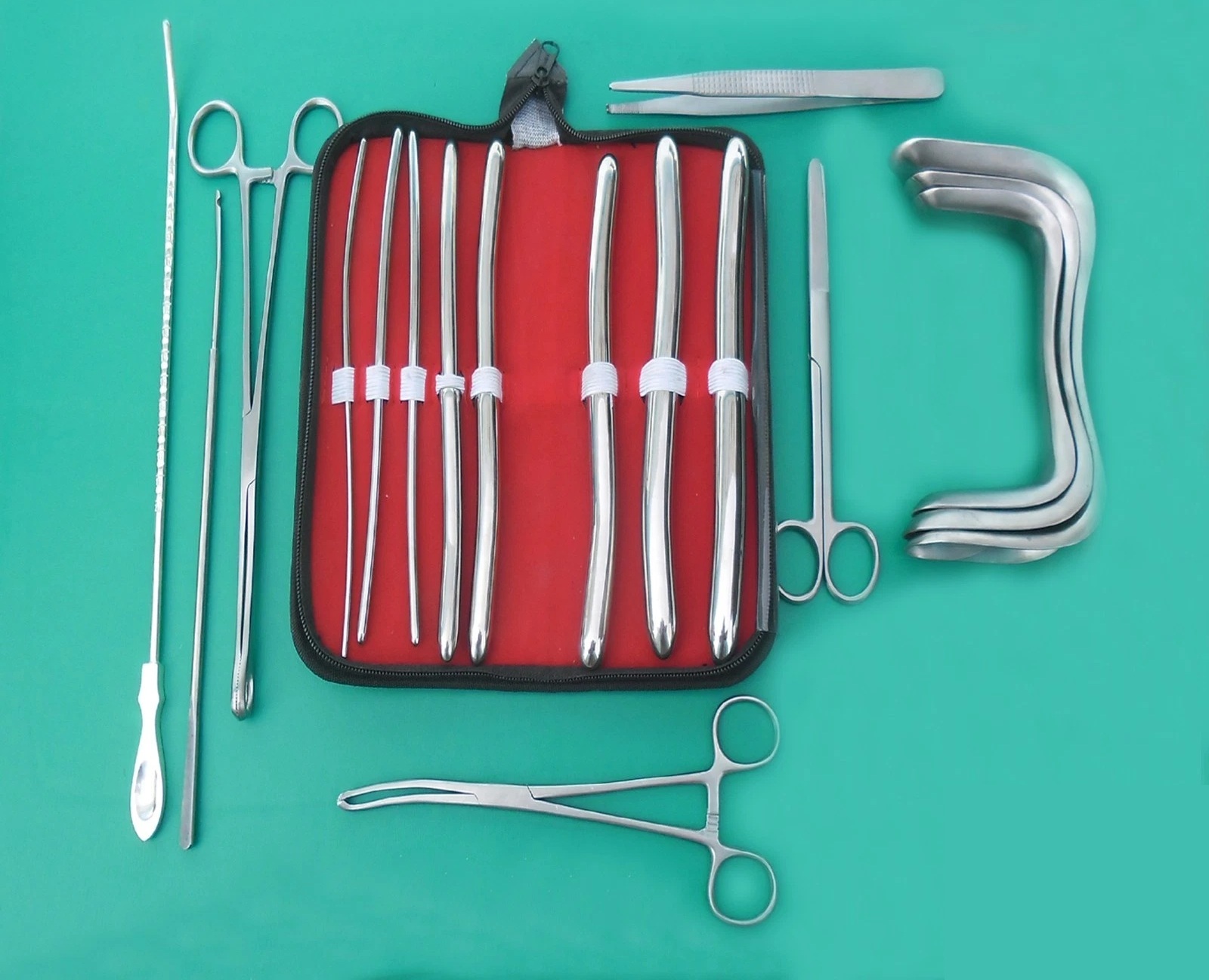
Gynecology has advanced tremendously over the years, offering women safer, gentler, and more precise surgical options. Whether performed for childbirth, pain relief, or reproductive health, these procedures help women regain comfort and improve quality of life.
In this article, we explain some of the most common gynecology surgeries, why they’re done, what to expect, and how recovery typically feels—all in a simple, reassuring way.
- Caesarean Section (C-Section)
A Caesarean section is a surgery used to deliver a baby through small incisions in the abdomen and uterus. It may be planned for reasons like placenta previa, breech position, or previous C-sections, or done as an emergency when labor is not progressing safely. The procedure is usually performed under spinal or epidural anesthesia so the mother remains awake yet pain-free.
A C-section takes around 30–45 minutes. After the baby is delivered, the uterus and abdomen are carefully sutured. Recovery typically requires 3–4 days in the hospital, followed by several weeks of rest. Mild soreness, bleeding, and tiredness are normal but manageable with good care.
A well-planned C-section is a safe and reliable way to ensure a healthy birth for both mother and baby, and most women recover smoothly with correct guidance.
- Episiotomy
An episiotomy is a small cut made in the perineum (the area between the vagina and anus) during vaginal childbirth. It is used only when absolutely needed—such as when the baby is distressed, the vaginal tissues are too tight, or an instrumental delivery (forceps/vacuum) is required.
The procedure is quick and performed under local anesthesia if needed. After delivery, dissolvable stitches are used to repair the cut. Mild soreness for a few days is normal, and warm baths, hygiene, and pain-relief sprays help a lot.
Most stitches heal within 1–2 weeks. With thoughtful aftercare, women can resume routine activities comfortably.
- Abdominal Hysterectomy
An abdominal hysterectomy is the surgical removal of the uterus through a lower abdominal incision. It may be recommended for fibroids, heavy bleeding, adenomyosis, large cysts, or precancerous/cancerous conditions. The incision (horizontal or vertical) depends on the case.
The surgery takes 1–2 hours and is performed under spinal or general anesthesia. Women usually stay in the hospital for 3–5 days. Mild discomfort, fatigue, and bloating are expected initially. Walking early helps recovery.
If the ovaries are preserved, hormones remain balanced and menopause is not triggered early. Many women experience significant relief from chronic pelvic pain and bleeding after this procedure.
- Laparoscopic Hysterectomy
A laparoscopic hysterectomy is a minimally invasive alternative to abdominal surgery. Instead of one large incision, surgeons use 3–4 small cuts to insert a camera and precision instruments.
It is commonly done for conditions like fibroids, endometriosis, adenomyosis, or chronic pelvic pain. Because it involves tiny incisions, women experience:
- Less pain
- Minimal scarring
- Faster healing
- Shorter hospital stay
Most return to routine work in 1–2 weeks. Laparoscopic hysterectomy is considered one of the most preferred and patient-friendly gynecology surgeries today.
- Ovarian Cystectomy
An ovarian cystectomy is a surgery to remove cysts while preserving the healthy part of the ovary—important for maintaining fertility and hormones. It is typically done for large cysts, painful cysts, endometriotic cysts, or cysts that look suspicious on ultrasound.
Laparoscopy is the preferred method because it allows delicate removal of the cyst through keyhole openings. Most women return home within 24 hours. Mild bloating or shoulder-tip pain from the gas used in laparoscopy is normal and settles quickly.
Ovarian cystectomy helps prevent complications like twisting (torsion) or rupture and offers long-term comfort.
- Myomectomy (Fibroid Removal)
Myomectomy is a uterus-preserving surgery used to remove uterine fibroids. It is ideal for women who experience heavy bleeding, pelvic pressure, or infertility due to fibroids.
There are three approaches:
- Laparoscopic myomectomy – keyhole surgery, faster recovery
- Abdominal myomectomy – needed for very large or many fibroids
- Hysteroscopic myomectomy – removal of fibroids inside the uterine cavity
Recovery ranges from 1 day (hysteroscopic) to 4–6 weeks (abdominal). Myomectomy significantly improves symptoms and supports future fertility for many women.
- Hymenoplasty
Hymenoplasty is a simple cosmetic procedure to reconstruct or repair the hymen. It is performed privately and respectfully, usually for personal, cultural, or emotional reasons.
The surgery takes 30–45 minutes and is done under local anesthesia. Recovery is quick—most women resume daily routines in 2–3 days. The stitches dissolve naturally, and the reconstructed hymen appears natural once healed.
Hymenoplasty does not affect fertility, menstruation, or hormones.
- Labiaplasty
Labiaplasty involves reshaping or reducing the inner vaginal lips (labia minora). Women may choose it for comfort, appearance, or relief from irritation during exercise or intercourse.
The surgery typically lasts around an hour and uses local or general anesthesia. Recovery is smooth, with full healing in 4–6 weeks. Loose clothing, cold compresses, and gentle hygiene help ease initial swelling.
Labiaplasty improves both confidence and comfort without affecting sexual function or fertility.
⭐ Final Thoughts
Gynecological surgeries today are safer, gentler, and more advanced than ever before. Whether performed for childbirth, pain relief, or reproductive health, these procedures significantly improve quality of life. Understanding them helps women make informed decisions with confidence and clarity.