HPV: 10 Important Facts

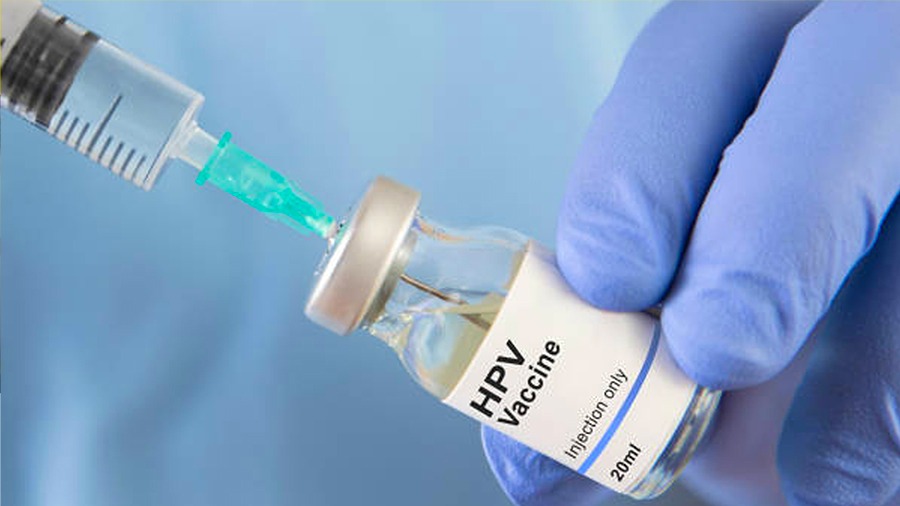
HPV Vaccine
Human papillomavirus (HPV) is a sexually transmitted infection (STI) that can cause warts and cancers. There are more than 100 strains of HPV, some more dangerous than the others.

HPV  ( Human Papilloma Virus ) infection is a common  sexually transmitted disease across the world.

It is highly contagious and spreads through direct skin-to-skin contact, particularly during sexual activity.

It is estimated that the risks of getting infected with HPV is around 84.6% for women and 91.3% for men. According to the World Health Organisation, globally, about 600 million people are infected with HPV,  with an even distribution among men and women.   

Here are 10  important facts  you must know about HPV:
1. HPV is Extremely Common
  • HPV is the most common sexually transmitted infection (STI) worldwide. Most sexually active people will get HPV at some point in their lives, often without even knowing it.

2. There are Over 100 Types of HPV
  • HPV is not just one virus, but a group of over 100 related viruses. About 40 types can infect the genital area, mouth, and throat.

3. HPV Can Cause Cancer
  • Certain “high-risk” types of HPV can cause cancers such as:

    • Cervical cancer

    • Anal cancer

    • Penile cancer

    • Throat (oropharyngeal) cancer

    • Vaginal and vulvar cancer

4. HPV Also Causes Genital Warts
  • Low-risk types of HPV don’t cause cancer but can cause genital warts, which are skin growths in the genital and anal areas.

5. Most HPV Infections Clear on Their Own
  • In most healthy people, the immune system naturally clears the infection within 1 to 2 years without causing health problems.

 
6. HPV is Spread Through Skin-to-Skin Contact
  • HPV is primarily spread through intimate skin-to-skin contact, including vaginal, anal, and oral sex. It does not require intercourse to be transmitted.

7. There is a Vaccine for HPV
  • The HPV vaccine (e.g., Gardasil 9) protects against the most common cancer-causing and wart-causing types of HPV. It is recommended for both males and females, ideally before becoming sexually active.

8. HPV Testing and Pap Smear Help Detect Risks Early
  • Pap smears detect abnormal cervical cells, while HPV testing detects the virus itself. Regular screening can help prevent cervical cancer by catching changes early.

9. HPV Can Affect Both Men and Women
  • While cervical cancer is the most known consequence, HPV can also cause health issues in men, such as penile, anal, and throat cancers, as well as genital warts.

10. HPV is Preventable
  • Vaccination, using condoms, reducing the number of sexual partners, and regular health check-ups significantly lower the risk of HPV infection and its complications.

How to avoid getting infected with HPV:

  • Practice safe sex to reduce risk.
  • Use condoms and limit sexual partners to lower infection chances.
  • Get vaccinated if eligible. The vaccine protects against the most common HPV strains.
  • Get regular pap tests. Regular screenings can detect issues early. Early detection prevents serious health problems caused by HPV.
  • Talk to your doctor about concerns.  Discuss vaccination and screening options tailored to you.

Find Out If It’s Time to See a Gynecologist.

Get the Essential Women’s Health Checklist

Share:

Dr.Madhumita Das Mazumdar, MD (O&G) is a Senior Consultant Gynecologist of Guwahati, Assam, India.

She has more than 30 years experience as a private practitioner in Obstetrics and Gynecology.

Consult her online – shw will be happy to help you with your questions.

Click here to ask your question


Periods & Pain
Dr Madhumita Das Mazumdar

The Menstrual Period

Your menstrual cycle is an important part of your reproductive health. While most women have a predictable monthly rhythm, it’s also extremely common to have

Read More »
Preventive Care & Vaccines
Dr Madhumita Das Mazumdar

Obstetric and Gynecological Surgeries

Gynecology has advanced tremendously over the years, offering women safer, gentler, and more precise surgical options. Whether performed for childbirth, pain relief, or reproductive health,

Read More »
Periods & Pain
Dr Madhumita Das Mazumdar

Menstrual Period Problems

Menstrual periods can be complicated by problems like pain, irregular periods, heavy bleeding or very litlle blood flow. Midcycle bleeding is another common issue.

Read More »

HPV  ( Human Papilloma Virus ) infection is a common  sexually transmitted disease across the world.

It is highly contagious and spreads through direct skin-to-skin contact, particularly during sexual activity.

It is estimated that the risks of getting infected with HPV is around 84.6% for women and 91.3% for men. According to the World Health Organisation, globally, about 600 million people are infected with HPV,  with an even distribution among men and women.   

Here are 10  important facts  you must know about HPV:
1. HPV is Extremely Common
  • HPV is the most common sexually transmitted infection (STI) worldwide. Most sexually active people will get HPV at some point in their lives, often without even knowing it.

2. There are Over 100 Types of HPV
  • HPV is not just one virus, but a group of over 100 related viruses. About 40 types can infect the genital area, mouth, and throat.

3. HPV Can Cause Cancer
  • Certain “high-risk” types of HPV can cause cancers such as:

    • Cervical cancer

    • Anal cancer

    • Penile cancer

    • Throat (oropharyngeal) cancer

    • Vaginal and vulvar cancer

4. HPV Also Causes Genital Warts
  • Low-risk types of HPV don’t cause cancer but can cause genital warts, which are skin growths in the genital and anal areas.

5. Most HPV Infections Clear on Their Own
  • In most healthy people, the immune system naturally clears the infection within 1 to 2 years without causing health problems.

 
6. HPV is Spread Through Skin-to-Skin Contact
  • HPV is primarily spread through intimate skin-to-skin contact, including vaginal, anal, and oral sex. It does not require intercourse to be transmitted.

7. There is a Vaccine for HPV
  • The HPV vaccine (e.g., Gardasil 9) protects against the most common cancer-causing and wart-causing types of HPV. It is recommended for both males and females, ideally before becoming sexually active.

8. HPV Testing and Pap Smear Help Detect Risks Early
  • Pap smears detect abnormal cervical cells, while HPV testing detects the virus itself. Regular screening can help prevent cervical cancer by catching changes early.

9. HPV Can Affect Both Men and Women
  • While cervical cancer is the most known consequence, HPV can also cause health issues in men, such as penile, anal, and throat cancers, as well as genital warts.

10. HPV is Preventable
  • Vaccination, using condoms, reducing the number of sexual partners, and regular health check-ups significantly lower the risk of HPV infection and its complications.

How to avoid getting infected with HPV:

  • Practice safe sex to reduce risk.
  • Use condoms and limit sexual partners to lower infection chances.
  • Get vaccinated if eligible. The vaccine protects against the most common HPV strains.
  • Get regular pap tests. Regular screenings can detect issues early. Early detection prevents serious health problems caused by HPV.
  • Talk to your doctor about concerns.  Discuss vaccination and screening options tailored to you.

HPV  ( Human Papilloma Virus ) infection is a common  sexually transmitted disease across the world.

It is highly contagious and spreads through direct skin-to-skin contact, particularly during sexual activity.

It is estimated that the risks of getting infected with HPV is around 84.6% for women and 91.3% for men. According to the World Health Organisation, globally, about 600 million people are infected with HPV,  with an even distribution among men and women.   

Here are 10  important facts  you must know about HPV:
1. HPV is Extremely Common
  • HPV is the most common sexually transmitted infection (STI) worldwide. Most sexually active people will get HPV at some point in their lives, often without even knowing it.

2. There are Over 100 Types of HPV
  • HPV is not just one virus, but a group of over 100 related viruses. About 40 types can infect the genital area, mouth, and throat.

3. HPV Can Cause Cancer
  • Certain “high-risk” types of HPV can cause cancers such as:

    • Cervical cancer

    • Anal cancer

    • Penile cancer

    • Throat (oropharyngeal) cancer

    • Vaginal and vulvar cancer

4. HPV Also Causes Genital Warts
  • Low-risk types of HPV don’t cause cancer but can cause genital warts, which are skin growths in the genital and anal areas.

5. Most HPV Infections Clear on Their Own
  • In most healthy people, the immune system naturally clears the infection within 1 to 2 years without causing health problems.

 
6. HPV is Spread Through Skin-to-Skin Contact
  • HPV is primarily spread through intimate skin-to-skin contact, including vaginal, anal, and oral sex. It does not require intercourse to be transmitted.

7. There is a Vaccine for HPV
  • The HPV vaccine (e.g., Gardasil 9) protects against the most common cancer-causing and wart-causing types of HPV. It is recommended for both males and females, ideally before becoming sexually active.

8. HPV Testing and Pap Smear Help Detect Risks Early
  • Pap smears detect abnormal cervical cells, while HPV testing detects the virus itself. Regular screening can help prevent cervical cancer by catching changes early.

9. HPV Can Affect Both Men and Women
  • While cervical cancer is the most known consequence, HPV can also cause health issues in men, such as penile, anal, and throat cancers, as well as genital warts.

10. HPV is Preventable
  • Vaccination, using condoms, reducing the number of sexual partners, and regular health check-ups significantly lower the risk of HPV infection and its complications.

How to avoid getting infected with HPV:

  • Practice safe sex to reduce risk.
  • Use condoms and limit sexual partners to lower infection chances.
  • Get vaccinated if eligible. The vaccine protects against the most common HPV strains.
  • Get regular pap tests. Regular screenings can detect issues early. Early detection prevents serious health problems caused by HPV.
  • Talk to your doctor about concerns.  Discuss vaccination and screening options tailored to you.