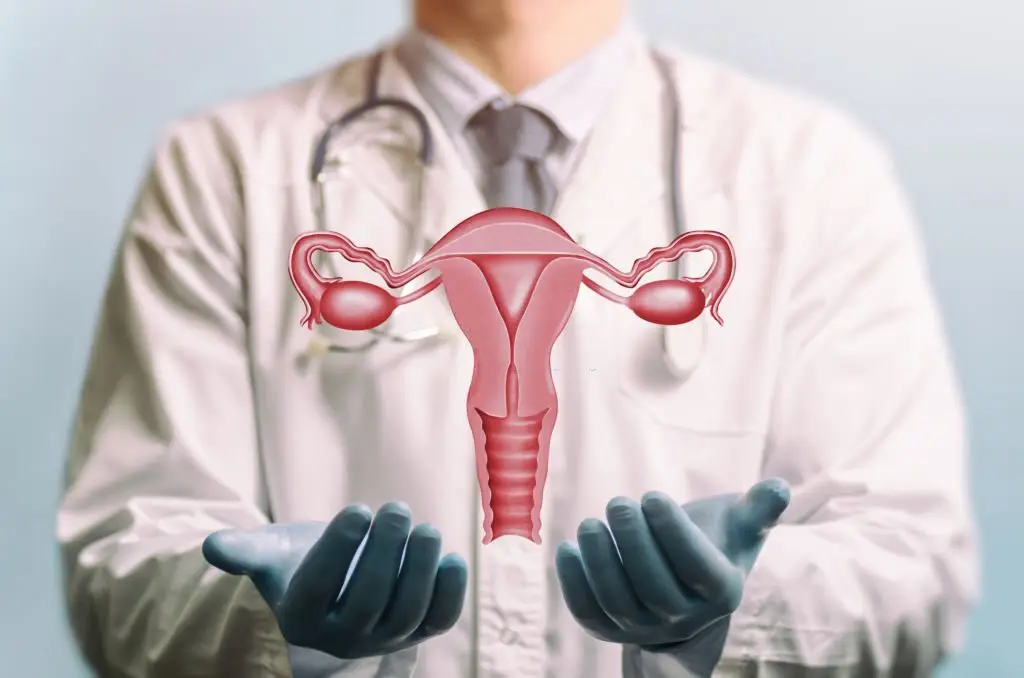
Do you have one of the following Symptoms?
- Irregular periods?
- Delayed Periods?
- Lack of periods?
- Vaginal discharge?
- Vaginal itching?
- Menopausal issues like hot flashes, sweating etc
- Fertility issues?
- Painful intercourse?
- Are you unsure about what birth control method to use?
- Are you concerned about your menstrual cycle?
Then you need to consult a gynecologist. A gynecologist is a physician who specializes in diagnosing and treating diseases of the female reproductive system.
It is one part of the field of Obstetrics and Gynecology in which the other part is the management of pregnancy (Obstetrics).
This means that Obstetrics deals with women who are pregnant while Gynecology is about women who are not pregnant but have problems with their reproductive tract.
Gynaecological treatments consist of both medical as well as surgical treatments. These may involve the internal reproductive organs like the uterus, ovaries and the Fallopian tubes. Or it may necessitate treatment of the external reproductive organs like the vulva, vagina, labia major , labia minor and the clitoris.
Gynecologists manage and treat a number of conditions:
- Menstrual problems like delayed or irregular periods, painful periods, heavy or light blood flow, mid-cycle spotting.
- Menopausal problems like hot flashes, sweating, weight gain during menopause, heavy or irregular bleeding, painful intercourse, atrophic vaginitis, HRT.
- Infertility – both male and and female infertility . Diagnosing the causes of the infertility and treating them.
- Infections like Pelvic inflammatory disease. (PID)
- Sexually Transmitted diseases like Herpes, Syphilis, Gonorrhea, Chlamydia, Trichomoniasis, HIV.
- Vaginitis and Cervicitis
- Polycystic Ovarian Disease.
- Endometriosis
- Adenomyosis
- Pelvic floor pain and prolapse.
- Tumors like uterine fibroids, polyps, ovarian tumors.
- Malignant conditions like endometrial, ovarian and cervical cancers.
- Premalignant conditions like endometrial hyperplasia and Cervical dysplasia.
- Advice on different types of birth control methods.
What symptoms indicate that you should see a gynecologist?
Good reasons to see your health care team or a gynecologist for gyn care include:
- solutions for painful, heavy, or irregular periods
- changes in vaginal discharge, which could be a sign of a vaginal infection (for example, a yeast infection or bacterial vaginosis)
- testing for sexually transmitted infections (STIs), such as chlamydia, gonorrhea, or trichomoniasis
- symptoms of a urinary tract infection (UTI), such as burning when you urinate, cloudy or bloody urine, urinating more often than usual, or feeling an intense urge to urinate
- pain or discomfort during sex
- rashes, bumps, or irritation on the vulva
- perimenopause or menopause symptoms, such as irregular periods, hot flashes, or vaginal dryness.
- discussion of birth control options
- a Pap smear to help prevent cervical cancer (this screening test checks cells on the cervix for abnormalities or precancer)
- Surgical procedures like Dilation and Curettage or Cesarean section
- Medical abortion or Surgical Abortion
- Hysterectomy
- Hymenoplasty
When should a girl first see a gynecologist?
Ideally, the first visit by a young girl to her gynecologist should be at around 13-15 years to assess her growth and normal functioning of the reproductive system. Some experts experts recommend that you start seeing a gynecologist when you become sexually active, or at least once before the age of 21. Thereafter, regular health visits should help in preventing, avoiding, and managing reproductive tract diseases in their early stages.
What can you expect when you visit the gynecologist?
The first visit would start with a through medical history. You would be asked when you got your first period, about the regularity of your periods and any associated symptoms like pain. You would also be asked if you have any issues like vaginal discharge, vaginal itching , sores, painful intercourse, growths or lumps in the vulva or vagina.. The sexual history like the use of birth control methods and whether you have ever suffered from any sexualy transmitted diseases.
You will then be examined – a general examination of your vitals like pulse and blood pressure and also a pelvic examination to examine your vagina, cervix and uterus for any issues.
Tests like ultrasounds and blood tests may be ordered , if necessary.

5 Supplements for Women in Menopause
Women in menopause need to take supplements due to declining estrogen, with key focus on Calcium and Vitamin D for osteoporosis prevention.

The Menstrual Period
Your menstrual cycle is an important part of your reproductive health. While most women have a predictable monthly rhythm, it’s also extremely common to have
Obstetric and Gynecological Surgeries
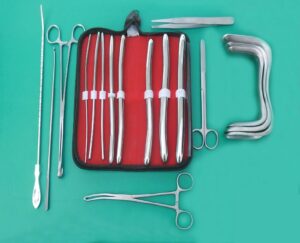
Gynecology has advanced tremendously over the years, offering women safer, gentler, and more precise surgical options. Whether performed for childbirth, pain relief, or reproductive health,

Menopause – Causes, Symptoms and Treatment
Menopause is a natural phase in every woman’s life, marking the end of the reproductive years. The ovaries stop producing eggs (ovum) at this time
Menstrual Period Problems
Menstrual periods can be complicated by problems like pain, irregular periods, heavy bleeding or very litlle blood flow. Midcycle bleeding is another common issue.

Infertility – Causes, Diagnosis and Treatment
Infertility can be due to both male and female factors. Both partners need to be tested and the cause diagnosed for accurate treatment